
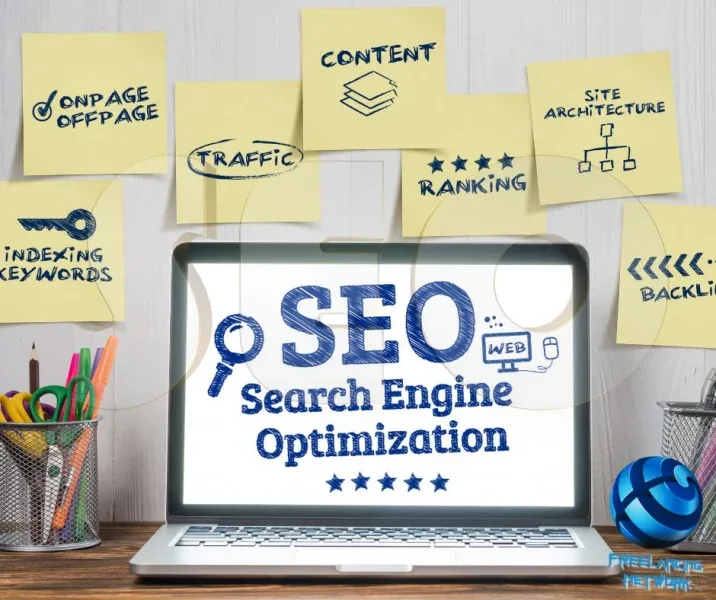
Search Engine Optimization (SEO) stands as the beacon guiding content creators and businesses towards visibility and relevance. For those new to digital marketing or digital content creation, understanding SEO is crucial because it can boost visibility and engagement without requiring expensive advertising. This comprehensive guide will walk you through the essentials of SEO, its types, benefits, and how you can effectively begin your SEO journey with strategic techniques and tools.
What Does SEO Mean?
At its core, Search Engine Optimization (SEO) is the practice of enhancing a website’s visibility in search engine results pages (SERPs). When users search for specific keywords, SEO helps ensure that your website appears among the top results, thereby increasing the likelihood of attracting organic traffic. It involves various strategies and techniques aimed at improving a site’s ranking, making it more user-friendly, and ensuring its content aligns with what users are searching for.
SEO is not just about search engines; it’s about understanding what your audience is searching for online, the solutions they need, and the type of content they prefer. By optimizing your website to meet these criteria, you can enhance your site’s user experience and offer valuable insights to your visitors.
Types of SEO
SEO can be divided into several types, each focusing on different aspects of optimization:
- On-Page SEO focuses on optimizing individual web pages to rank higher and earn more relevant traffic. This includes ensuring your content is high-quality and relevant, using appropriate keywords, optimizing meta tags and images, and improving the overall user experience.
- Off-Page SEO involves actions taken outside your website to impact your rankings within SERPs. This includes building backlinks from reputable sites, engaging on social media, and improving your site’s authority and trustworthiness.
- Technical SEO refers to optimizing the backend of your website, ensuring it meets the technical requirements of search engines. This includes improving site speed, ensuring mobile-friendliness, securing HTTPS, and making sure your site is easy to crawl and index.
Understanding these types of SEO is essential for developing a well-rounded strategy that covers all aspects of your website’s online presence.
Benefits of SEO
Implementing SEO strategies can offer numerous benefits to your business or content platform:
- Increased Visibility and Traffic: By improving your site’s ranking on search engines, SEO increases your visibility, leading to more organic traffic from users genuinely interested in your content or products.
- Cost-Effectiveness: Unlike paid advertising, SEO focuses on driving organic traffic. While it requires time and effort, the long-term results can be more sustainable and cost-effective.
- Improved User Experience: SEO encourages optimizing your site for a better user experience, leading to longer site visits, lower bounce rates, and higher conversion rates.
- Brand Credibility and Trust: Appearing at the top of search results instills trust and credibility in your brand from users who often associate high rankings with authority and quality.
These benefits highlight why investing in SEO is crucial for any business seeking long-term success in the digital world.
How Can I Start SEO as a Beginner?
Beginning your SEO journey might seem daunting, but with the right approach, it can become a manageable and rewarding endeavor. Here are steps to get you started:
- Educate Yourself: Learn the basics of SEO through online resources, courses, and communities. Understanding key concepts and staying updated with industry trends is crucial in this fast-paced field.
- Conduct Keyword Research: Use tools like Google Keyword Planner or Ubersuggest to find keywords relevant to your niche. Focus on long-tail keywords which are often less competitive and more targeted to specific queries.
- Optimize Your Website: Start with on-page SEO by optimizing your content, meta tags, headings, and images. Ensure your site is mobile-friendly and fast-loading.
- Create Quality Content: Consistently create high-quality, valuable content that meets the needs of your target audience. Use your researched keywords naturally within your content.
- Build Backlinks: Engage with other websites and online communities to build backlinks. Guest blogging and collaborations can help increase your site’s authority.
By following these steps, beginners can lay a strong foundation for their SEO strategy and start seeing gradual improvements in their website’s performance.
How Exactly Does SEO Work?
SEO works by leveraging algorithms used by search engines like Google to index and rank websites. These algorithms consider hundreds of factors to determine the relevance and authority of a site for specific search queries.
Crawling and Indexing
Search engines use bots or spiders to crawl the web, exploring web pages and collecting data about them. Once a page is crawled, its data is indexed, meaning it’s stored in a massive database that the search engine uses to retrieve information during searches.
Ranking
When a user performs a search, the search engine’s algorithm evaluates indexed pages based on factors like relevance, quality, and user experience. It then ranks the pages in order of importance and displays the results on the SERPs. Factors influencing ranking include keyword usage, site structure, backlinks, and more.
By understanding how SEO works, you can tailor your strategies to align with these processes, improving your chances of ranking higher and reaching your target audience.
How to Use SEO in Digital Marketing
Incorporating SEO into your digital marketing strategy can significantly enhance your online presence and drive success. Here’s how:
- Integrate SEO with Content Marketing: Create content that aligns with your SEO goals, using keywords strategically while ensuring the content is valuable and engaging for your audience.
- Leverage SEO in Social Media: Optimize your social media profiles and content for search engines. Using relevant keywords in your bio and posts can increase visibility and engagement.
- Analyze and Adapt: Use analytics tools to track your SEO progress, identify what’s working, and adjust your strategies accordingly. Continual analysis ensures your approach remains effective and up-to-date with industry changes.
By integrating SEO with your overall digital marketing efforts, you can create a cohesive strategy that amplifies your reach and impact.
The Top SEO Techniques for Your Digital Marketing Strategy
Incorporating the right SEO techniques can elevate your digital marketing strategy and lead to tangible results. Here are some top techniques to consider:
- Optimize for Voice Search: With the rise of voice-activated devices, optimizing for voice search is crucial. Focus on using natural language and long-tail keywords that reflect how people speak.
- Prioritize Mobile Optimization: Ensure your site is mobile-friendly, as most users now access the web via mobile devices. A responsive design and fast load times are essential for user retention.
- Utilize Local SEO: If you have a physical location, optimize your site for local searches. Claim your Google My Business listing and include location-based keywords to attract local customers.
- Focus on User Intent: Understand the intent behind users’ searches to create content that directly addresses their needs. By aligning your content with user intent, you increase the likelihood of engagement and conversions.
These techniques, when implemented effectively, can position your digital marketing strategy for success in an increasingly competitive online environment.
Is SEO Necessary for Digital Marketing?
SEO is an integral component of digital marketing, providing numerous benefits that other strategies cannot replicate. Here are reasons why SEO is necessary:
- Foundation of Online Visibility: SEO is the foundation of online visibility, ensuring your content is discoverable by search engines and users alike.
- Supports Other Marketing Efforts: SEO complements and enhances other digital marketing efforts, such as content marketing, social media, and paid advertising.
- Long-Term Value: Unlike paid advertising, which offers short-term results, SEO provides lasting value through sustained organic traffic and brand visibility.
Given these reasons, SEO is not just a valuable addition but a necessary element of any comprehensive digital marketing strategy.
What is an Example of SEO in Digital Marketing?
SEO in digital marketing can manifest in various ways. For instance, a local bakery looking to increase foot traffic might implement SEO by optimizing its website for local search queries like “best bakery near me.”
They would ensure their website includes relevant keywords, update their Google My Business listing with accurate information, and encourage satisfied customers to leave positive reviews. By doing so, the bakery increases its chances of appearing in local search results, attracting nearby customers and boosting sales.
This example illustrates how SEO can be applied practically to meet specific business objectives within a broader digital marketing strategy.
Free SEO Tools for Enhancing Your Strategy
Harnessing free SEO tools can truly elevate your optimization game, delivering impressive results without breaking the bank. Ready to boost your digital marketing strategy? Check out these top free tools: Google Analytics & Google Search Console: Explore your site’s data like never before. Ubersuggest: Discover new keyword opportunities. Yoast SEO: Optimize your content with ease. MozBar: Gain insights right from your browser. Answer the Public: Unlock popular questions in your niche. Dive in and watch your SEO efforts soar! 🚀
Wrapping Up Your SEO Journey
The world of SEO is vast and constantly evolving, offering endless opportunities for those willing to learn and adapt. By understanding its principles and implementing strategic techniques, businesses and content creators can unlock the potential of organic search visibility.
Whether you’re a beginner just starting out or a seasoned marketer looking to refine your strategy, remember that SEO is a long-term game. Consistency and continuous learning are key to staying ahead in this dynamic field.
For those eager to explore further, consider leveraging free tools and resources available online, joining SEO communities, and engaging with experts to deepen your understanding and skills. The path to mastering SEO may be challenging, but the rewards for perseverance are well worth the effort.


